
Choosing the right type of engine oil is crucial for ensuring your car runs smoothly for years to come. Engine oil is the “blood” of the engine, and using the grade and formula recommended by the manufacturer is key to preventing excessive engine wear and achieving optimal performance. Engine oils are mainly divided into three categories: conventional engine oil, synthetic blend engine oil, and full synthetic engine oil. Understanding the differences between these types of engine oil and considering your driving habits will help you select the most suitable engine oil for your car.
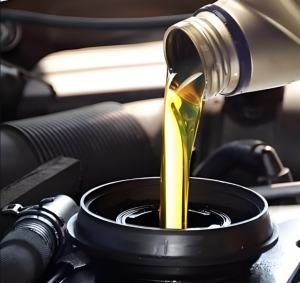
Conventional motor oil:
Conventional motor oil, sometimes also referred to as mineral oil, is refined from crude oil and makes up the majority of engine lubricants on the market. It contains basic additives that help reduce engine wear and improve performance. Conventional motor oil is suitable for normal driving conditions, is cost-effective, and offers a certain level of protection. Most manufacturers recommend using these conventional oils for vehicles with over 75,000 miles that only require basic lubrication.
Synthetic blend motor oil:
Synthetic blend motor oil is a mixture of traditional mineral oil and synthetic oil in a 70/30 ratio. The synthetic component enhances the oil’s flow performance at low temperatures while retaining the lubricating properties of traditional oil. Compared to traditional oil, synthetic blend motor oil offers several advantages, including better performance in extreme temperatures, higher fuel economy, and reduced engine wear. They are ideal for stop-and-go driving, frequent short trips, and extreme weather conditions.
Most car manufacturers recommend using synthetic blend oil for new engines to enhance performance and durability. For instance, the Ford Transit uses synthetic blend oil to provide extra wear protection for high-mileage commercial use.
Fully synthetic motor oil:
As a premium choice of motor oil, fully synthetic motor oil is made from synthetic base oils rather than crude oil through chemical engineering methods. Its superior molecular structure makes fully synthetic motor oil less prone to decomposition at high temperatures and offers better fluidity in cold climates. Even under harsh driving conditions, they provide superior protection against deposits, rust, and corrosion.
Fully synthetic motor oil uses the latest additive formula to reduce friction, increase horsepower and provide excellent anti-wear protection. Although the initial cost is higher, its outstanding durability often makes it the most economical choice for long-term use. Fully synthetic motor oil is best suited for high-performance vehicles, engines with mileage over 75,000 miles and extreme driving conditions.
Nanotechnology and Engine Oil:
Advances in nanotechnology have led to the development of engine oil containing tiny nanoparticles, which can significantly reduce friction and wear. This nanoengine oil provides additional protection for high-performance vehicles.
Engine oil manufacturers have also begun to adjust their formulas for specific types of engines such as turbocharged, hybrid, and high-mileage engines. These custom oils contain specialized additives that can meet the unique needs of these modern engines, whether it’s preventing sludge formation in turbochargers or maintaining the seals in aging engines.
More environmentally friendly low-viscosity engine oil has also been successfully developed to reduce emissions and meet the demands of greener policies and consumers. Overall, technological breakthroughs and customized blending are elevating the performance of engine oil to new heights.
Choosing the Right Motor Oil for Your Car:
When selecting the appropriate type of motor oil, first consult your vehicle owner’s manual to learn the specific recommendations of the manufacturer. Most car manufacturers recommend motor oil viscosity grades and performance standards set by the Society of Automotive Engineers (SAE) or the American Petroleum Institute (API). These recommendations take into account your engine design, oil circulation system, and normal operating conditions.
Driving habits and climate:
You also need to consider your driving habits and climate conditions. Fully synthetic oil and synthetic blend oil are suitable for stop-and-go traffic, frequent short trips, extremely hot or cold weather, and towing heavy loads. If you mainly drive on highways and make long trips in moderate weather, regular oil is sufficient. High-mileage engines with more than 75,000 miles can benefit from the extra protection of synthetic blend oil or fully synthetic oil to slow down wear and prevent leaks.
Engine oil replacement frequency:
It is essential to change the engine oil at the recommended intervals, typically between 3,000 and 10,000 miles. Pay attention to the viscosity level of the oil, as prolonged high-temperature operation of the engine can cause the oil to thin. By choosing the right formula, grade, and changing the oil frequently, your engine will run smoothly for many years.
The engine oil you choose plays a crucial role in the lifespan and performance of your engine. Conventional oil, synthetic blend oil, and full synthetic oil differ in terms of anti-wear protection, high-temperature performance, and low-temperature fluidity. Please be sure to follow the viscosity grade, service category, and driving conditions recommended by the manufacturer in your vehicle’s user manual for your vehicle’s needs.
No matter how many miles your car has traveled, using the right engine oil can ensure that the engine runs clean, improve fuel economy and enhance the reliability of the engine.

Leave a Reply