
I. On-site Disposal and Safety Protection
Activate Hazard Lights/Place Warning Signs
Immediately turn on the vehicle’s hazard warning lights and place a reflective warning sign 50 to 300 feet behind the vehicle (adjust according to the road speed limit) to prevent secondary accidents.
Call 911 (or the local non-emergency police number) to report the accident, especially when any of the following situations
Injury or death of a person
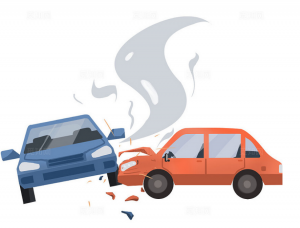
Property damage exceeding $1,000 (in some states, $500)
The other party flees the scene or has no insurance
Suspected drunk driving or drug driving
Do not admit liability or apologize
American insurance follows the “fault-based” principle. Randomly admitting liability may affect the compensation result. Only objectively state the facts, such as: “I was driving in the X direction and was suddenly hit by a vehicle coming from the Y direction.”
Accident Time/Location October 1, 2023, 15:30, Southbound Exit of I-405 Freeway
Opposing Driver Information Name, Driver’s License Number, Contact Information, Insurance Company and Policy Number
Vehicle Information License Plate Number, Model/Color, VIN (label on the inside of the door)Police Report Number Case #: LAPD-2023-XXXXXXWitness Information Name, Phone Number, Description of Location on Scene (can record testimony by voice)
Panoramic Shot: Use a mobile phone to capture the relative positions of the accident vehicles, road signs, and traffic light status.
Close-up of Damage: Take close-up shots of vehicle damage details (depth of scratches, displacement of parts).
Dashcam: Immediately export the video from 30 seconds before to 2 minutes after the accident (to prevent automatic overwrite).
The Golden 24-Hour Rule
Regardless of the severity of the accident, report the claim within 24 hours through the following methods:Telephone claim reporting: Call the insurance company’s emergency hotline (the number is marked on the policy card) and orally provide key information.
List of claim submission materialsA copy of the signed police report (if no police report is available, a self-filled DMV accident form such as California SR-1 must be provided)A photo of the other vehicle’s insurance certificate
Medical bills (if there are injuries)
Step 1: Fault Determination
Insurance company investigation period: Usually takes 7-14 working days. The responsibility ratio is determined by comparing the accident description, police report, and on-site photos.
Choice of authorized repair shop:
Choosing an insurance company’s cooperative repair shop (Direct Repair Program, DRP) can speed up the process.
If choosing a non-cooperative repair shop, it is necessary to confirm in advance that it has ASE certification.
On-site assessment by the adjuster: Require the repair shop to provide a detailed repair estimate and check each item of replacement parts and labor costs.
Medical payment insurance (MedPay): Covers medical expenses for the insured party (regardless of responsibility, mandatory in some states).
Compensation from the other party’s liability insurance: If the other party is found fully responsible, their bodily injury liability insurance will cover medical expenses, lost wages, and pain and suffering (a compensation calculation letter from a lawyer is required).
Scenario 1: The other party has no insurance or insufficient coverage
If UM/UIM is not insured: File a complaint with the state insurance regulatory agency or file a civil lawsuit (the ability to pay of the other party needs to be assessed).
If UM/UIM is insured: Report to your own insurance company and provide written proof of the other party’s refusal to compensate.
Immediately notify the rental car company and your own car insurance company (note: some credit card rental car insurance does not cover liability insurance).
If using the rental car company’s insurance (Loss Damage Waiver), a deductible needs to be paid.
Statute of limitations for personal injury lawsuits: Usually 1-3 years after the accident (2 years in California, 3 years in New York).
Statute of limitations for property damage lawsuits: 3 years in most states.
Warning on signing settlement agreements: After receiving a settlement offer from the other party’s insurance company, it must be reviewed and signed by a lawyer (it may contain exemption

Leave a Reply